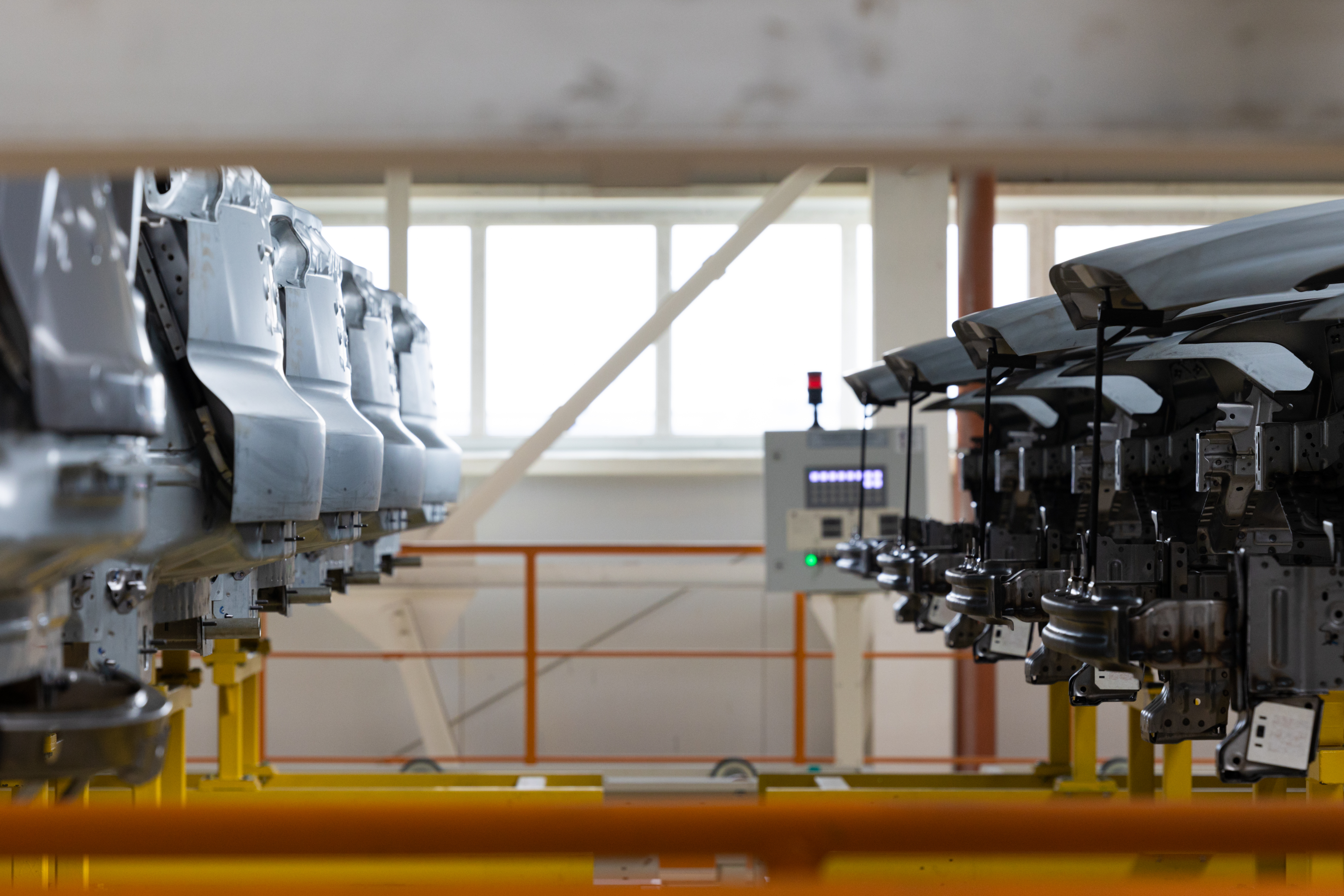
Automotive parts manufacturing depends on a reliable operating environment as much as it depends on production equipment. Alongside machining centers, injection molding machines, assembly lines, and testing systems, manufacturers rely on supporting infrastructure such as power distribution, compressed air, cooling systems, HVAC, and fire protection to keep production running efficiently.
For operations teams, managing this environment has become increasingly complex. Production schedules, maintenance planning, utility performance, contractor coordination, and compliance all need to be managed alongside manufacturing activities. Integrated facility management helps bring these functions together by coordinating technical maintenance, workplace services, energy management, and digital oversight, enabling manufacturers to support reliable operations across the entire facility.
Why operational reliability depends on facility management
When production performance is discussed, attention is often focused on manufacturing equipment. However, every production line also depends on a network of supporting systems that keep operations running under stable conditions.
A CNC machining center requires reliable electrical distribution and process cooling to maintain machining accuracy. Plastic injection molding depends on consistent temperature control throughout the production cycle. Painting operations rely on ventilation and air filtration systems to maintain environmental conditions, while electronics assembly may require controlled humidity and clean production areas. Across different manufacturing processes, production equipment performs within an operating environment supported by facility infrastructure.
Utilities play a particularly important role. Compressed air powers pneumatic tools and automated systems, chilled water supports cooling processes, and electrical distribution provides stable power across production areas. If these systems are not maintained effectively, production planning, maintenance scheduling, and operational efficiency may all be affected. As manufacturing facilities expand and equipment becomes more sophisticated, managing these utilities requires greater coordination between operations, engineering, and facility teams.
Workplace operations also contribute to overall manufacturing performance. Cleaning supports production environments, security protects people and assets, waste management helps maintain site organization, and catering and employee services contribute to workplace efficiency. Although these functions sit outside the production process itself, they influence how effectively a manufacturing site operates on a daily basis.
From an operational perspective, facility management is therefore not simply about maintaining infrastructure. It is about ensuring that the environment surrounding production remains reliable, efficient, and ready to support manufacturing activities throughout the day.
Operational challenges in automotive parts manufacturing
Supporting production requires continuous coordination across facilities, utilities, and operational services. While every plant has its own priorities, several operational challenges are common across automotive parts manufacturing.
1.Keeping utilities aligned with production
Production schedules and facility operations are closely connected. Electrical systems, compressed air, cooling equipment, HVAC, and water systems all require routine inspections and maintenance to maintain reliable performance. At the same time, maintenance activities need to be coordinated with production schedules to minimize disruption to manufacturing operations.
Balancing these priorities becomes increasingly important as production capacity expands or manufacturing processes become more automated. Maintenance planning therefore involves not only maintaining assets but also aligning facility activities with operational requirements.
2.Managing ageing infrastructure while supporting production
Many automotive parts manufacturers operate facilities that have evolved over time through capacity expansion, equipment upgrades, or production line modifications. As infrastructure becomes more complex, maintaining reliable building systems requires a structured approach to asset management.
Facility teams are often responsible for equipment with different service lives, maintenance requirements, and operational priorities. Planning inspections, preventive maintenance, equipment replacement, and shutdown activities requires visibility across the entire facility rather than focusing on individual assets in isolation.
3.Coordinating multiple operational services
Manufacturing sites depend on a combination of technical maintenance and workplace services delivered simultaneously. Mechanical and electrical maintenance, cleaning, security, landscaping, catering, waste management, and pest control each support different aspects of daily operations.
When these services are delivered independently, coordinating schedules, managing contractors, and maintaining consistent service standards can become increasingly complex. For operations teams, improving coordination is often as important as improving the performance of any individual service.
4.Maintaining operational standards across the facility
Automotive manufacturers operate within established requirements for workplace safety, fire protection, environmental management, and operational procedures. Supporting these standards involves regular inspections, preventive maintenance, documentation, contractor management, and consistent execution of operational processes.
Rather than treating these activities as separate tasks, many manufacturers seek approaches that improve visibility across facility operations while helping teams maintain consistent standards throughout the site. This creates a stronger operational foundation that supports both manufacturing activities and long-term facility performance.
How integrated facility management supports operations
Addressing operational challenges requires more than maintaining individual assets or managing individual service providers. As manufacturing facilities become more complex, operations teams need greater coordination across maintenance, utilities, workplace services, and operational data. Integrated facility management (IFM) provides a framework for bringing these functions together, allowing facilities to be managed as a connected operating environment rather than a collection of separate services.
1.Aligning maintenance with production priorities
Maintenance planning is most effective when it is coordinated with production rather than carried out independently. Preventive maintenance, asset inspections, and equipment servicing all need to be scheduled around operational requirements to minimize disruption while maintaining infrastructure reliability.
This approach also allows facility teams to take a longer-term view of asset performance. Maintenance records, equipment history, inspection findings, and lifecycle planning provide valuable information for prioritizing repairs, planning capital investment, and identifying assets that require closer attention. Instead of responding only after issues occur, operations teams can make maintenance decisions based on the condition and criticality of supporting infrastructure.
2.Improving visibility across facility operations
Managing a manufacturing facility often involves coordinating multiple building systems, contractors, and operational activities at the same time. Without consistent operational data, understanding how these activities affect overall facility performance becomes increasingly difficult.
Digital platforms help address this challenge by bringing together maintenance records, work orders, asset information, utility performance, and operational reporting into a single environment. Rather than replacing on-site expertise, these tools provide facility and operations teams with greater visibility into infrastructure performance, helping them identify trends, prioritise maintenance activities, and support more informed operational decisions.
3.Simplifying service coordination
Manufacturing facilities depend on a wide range of support services that extend beyond technical maintenance. Cleaning, security, waste management, catering, landscaping, and contractor management all contribute to maintaining an efficient operating environment.
Managing these activities through a single operating framework helps improve coordination between service providers while establishing consistent operating procedures, communication channels, and performance reporting. This enables operations teams to spend less time coordinating individual contractors and more time focusing on production priorities and continuous improvement.
4.Supporting continuous operational improvement
Facility management also generates valuable operational information that can be used to improve long-term performance. Trends in equipment reliability, maintenance activities, energy consumption, and service delivery provide insights into how facilities perform over time.
By reviewing this information regularly, operations teams can refine maintenance strategies, improve resource planning, optimize utility performance, and support continuous improvement initiatives across the manufacturing site. In this way, facility management becomes an ongoing contributor to operational performance rather than simply a support function.
Case study: Supporting operational excellence at NXpark Xi’an
The value of integrated facility management can be seen at NXpark Xi’an Industrial Park, where Aden Services supports automotive manufacturers through a coordinated operational approach.
The park is home to several advanced manufacturers, including global automotive technology supplier FORVIA. Rather than delivering individual facility services independently, Aden integrates technical maintenance, workplace services, preventive maintenance, contractor management, and fire protection management within a unified operating model. This allows operational activities to be planned systematically while supporting the day-to-day requirements of manufacturing tenants.
One example is FORVIA’s annual assessment conducted by FM Global, a leading commercial property insurer specializing in risk engineering. During the assessment, FM Global evaluated fire protection systems, equipment reliability, operational procedures, and risk management practices across the facility. Through routine inspections, preventive maintenance, standardized operating procedures, and close collaboration with the on-site team, the facility’s fire protection management achieved FM Global’s highest rating of “Excellent.”
While the assessment focused on risk management, it also demonstrated how a structured facility management programme can support broader manufacturing operations. By maintaining critical infrastructure, coordinating operational activities, and implementing consistent management processes, facility management helps create an environment that supports safe, reliable, and efficient production.
How Aden Services supports manufacturers
Aden Services supports manufacturers across Asia through integrated facility management tailored to industrial environments. Combining technical maintenance, workplace services, energy management, and digital capabilities, our teams help clients maintain reliable infrastructure while improving operational visibility across their facilities.
Supported by the Akila digital platform, clients can access asset information, maintenance records, utility performance, and operational insights through a connected management framework. This enables facility and operations teams to make more informed decisions while supporting long-term improvements in facility performance.
Conclusion
As automotive manufacturing continues to evolve, the role of facility management extends beyond maintaining buildings and utilities. By supporting critical infrastructure, coordinating operational services, and improving visibility across facility operations, integrated facility management helps manufacturers create a reliable environment for efficient and resilient production.