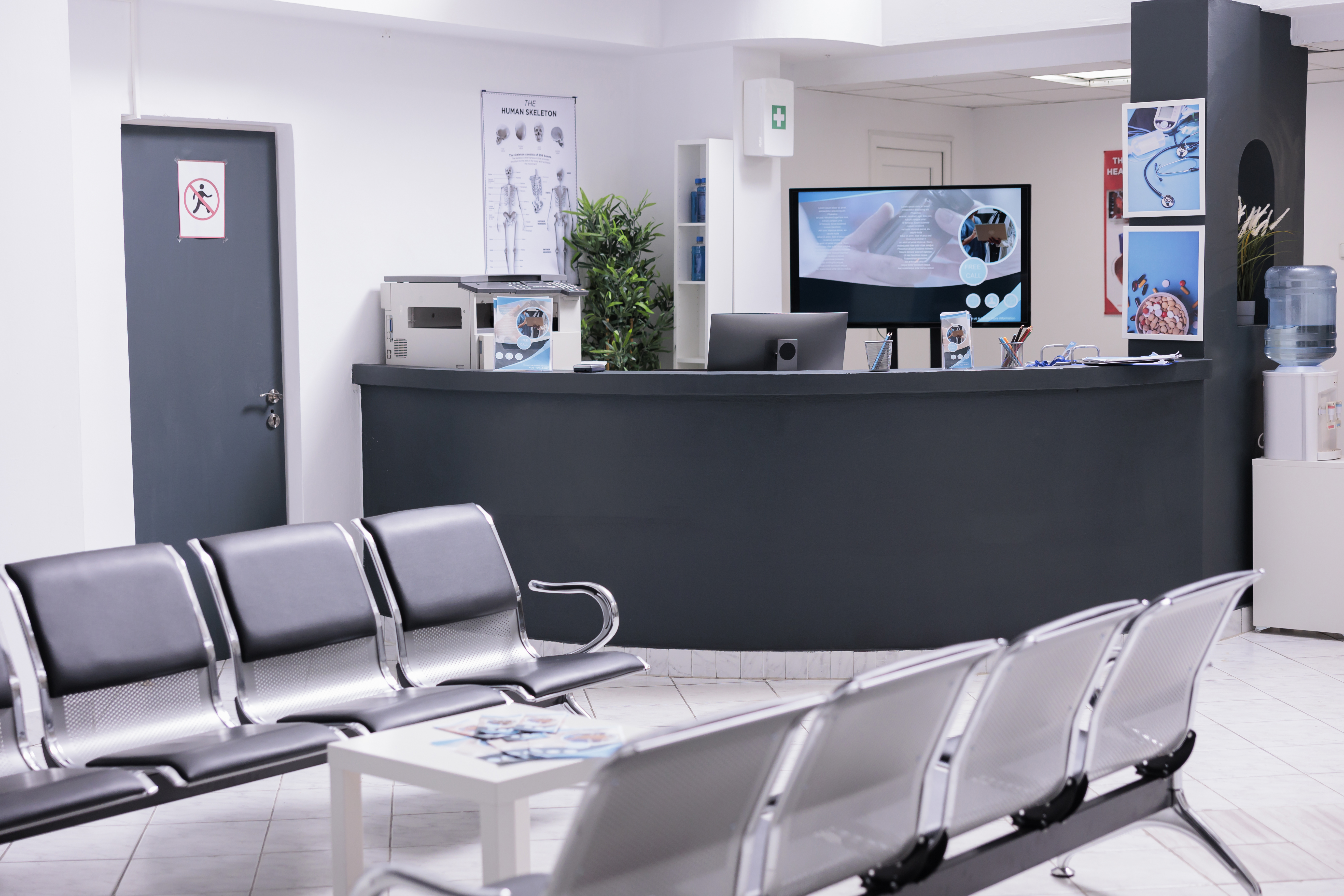
Every patient interacts with the hospital environment throughout their healthcare journey. From entering the building and waiting for an appointment to receiving treatment and recovering in a patient room, the physical environment influences each stage of the experience.
Maintaining that environment requires the coordinated effort of engineering, environmental cleaning, security, catering, landscaping, and other support services. Together, these functions form Integrated Facilities Management (IFM), helping hospitals provide environments that are safe, comfortable, and reliable for patients, visitors, and healthcare professionals.
Hospitals are among the most operationally demanding facilities to manage. They operate 24 hours a day, accommodate thousands of people, and rely on critical infrastructure that must function continuously. While patients may not see the work happening behind the scenes, they experience its results every day. Comfortable waiting areas, clean patient rooms, reliable elevators, and uninterrupted building services all contribute to a smoother healthcare journey.
This article explores how hospital IFM supports patient experience through reliable operations, high standards of environmental hygiene, and coordinated facility services.
A positive patient experience begins with the hospital environment
Patient experience starts well before a consultation or medical procedure. From the moment patients arrive, they begin interacting with the hospital environment.
Clear wayfinding helps visitors navigate unfamiliar buildings with less stress. Comfortable waiting areas provide a better experience during busy outpatient periods. Good lighting, stable indoor temperatures, and clean public spaces contribute to a welcoming atmosphere, while accessible entrances and well-maintained facilities make it easier for elderly patients, children, and people with reduced mobility to move safely through the hospital.
These experiences do not happen by chance. They rely on continuous coordination between facilities teams responsible for maintaining the hospital environment throughout the day.
Hospitals present unique operational challenges because different areas have different environmental requirements. Outpatient clinics experience heavy foot traffic during peak consultation hours. Inpatient wards require quiet, comfortable spaces that support recovery. Operating theatres, laboratories, and pharmacies depend on tightly controlled environmental conditions to support clinical activities.
Meeting these diverse requirements requires engineering teams to monitor building systems continuously, environmental services teams to maintain hygienic conditions, and support teams to respond quickly as operational needs change. Rather than focusing on individual services, hospital IFM coordinates these activities to create a consistent experience across the entire facility.
For patients, the result is simple. The hospital feels organized, comfortable, and well maintained, allowing them to focus on their treatment instead of the environment around them.
Clean facilities build confidence and support patient safety
Cleanliness is one of the most visible aspects of any hospital, but in healthcare it serves a much broader purpose than appearance alone.
Environmental cleaning supports infection prevention by maintaining hygienic conditions throughout clinical and public areas. Patient rooms, consultation rooms, waiting areas, restrooms, corridors, and other shared spaces all require cleaning procedures designed for healthcare environments.
Unlike commercial buildings, hospitals cannot rely on standard cleaning routines. Different areas require different cleaning frequencies, disinfectants, and operating procedures based on how the spaces are used and the level of clinical risk involved. High-touch surfaces such as bed rails, bedside tables, door handles, lift buttons, nurse call buttons, and reception counters require regular disinfection because they are frequently used by patients, visitors, and healthcare professionals.
Cleaning activities must also be carefully scheduled to support hospital operations. Teams often complete major cleaning tasks before peak patient activity begins while continuing routine cleaning and rapid response services throughout the day. During periods of higher patient volumes or seasonal outbreaks, cleaning frequencies may be increased to support infection prevention measures without disrupting clinical care.
Reliable operations keep care running without disruption
Patients rarely think about a hospital’s building systems unless something stops working.
Air conditioning maintains comfortable temperatures throughout different departments. Elevators transport patients, visitors, and medical staff efficiently across multiple floors. Medical gas systems support critical clinical activities. Electrical systems provide uninterrupted power for essential medical equipment, while water systems support both patient care and daily hospital operations.
These systems form the operational backbone of the hospital, and maintaining their reliability is a core responsibility of IFM.
Rather than waiting for equipment failures to occur, engineering teams perform preventive maintenance, inspect critical assets, monitor equipment performance, and respond quickly to abnormalities before they affect hospital operations.
Many hospitals also use digital maintenance platforms to improve asset visibility, manage maintenance schedules, and record equipment history. Better operational data helps facilities teams identify recurring issues, prioritize maintenance activities, and reduce unplanned downtime.
Reliable building operations have a direct impact on patient experience. A comfortable patient room, functioning elevators, uninterrupted utilities, and stable indoor conditions allow healthcare professionals to focus on delivering care while giving patients confidence that the hospital is operating safely and efficiently.
Integrated operations support every stage of the patient journey
Hospital operations depend on multiple support teams working together rather than individual services operating independently.
Consider a simple facilities issue, such as a water leak in an inpatient ward. Resolving the situation may require engineering teams to repair the fault, environmental services teams to clean and disinfect the affected area, security personnel to manage temporary access restrictions, and facility coordinators to communicate with clinical departments and minimize disruption to patient care.
This level of coordination is one of the key advantages of integrated facilities management.
Instead of managing multiple contractors separately, hospitals benefit from standardized processes, clearer communication, and faster response across different operational teams. Issues are resolved more efficiently because responsibilities are coordinated rather than fragmented.
Integrated operations also reduce the administrative burden on healthcare staff. Doctors and nurses should not need to coordinate maintenance requests or follow up with multiple service providers. By providing a single, coordinated facilities management model, IFM allows clinical teams to concentrate on delivering quality care while support teams maintain the environment around them.
For patients, these coordinated efforts are often invisible. What they experience is a hospital that feels clean, comfortable, organized, and dependable throughout every stage of their visit.
Case study: Shanghai Bright Eye Hospital
Since September 2024, Aden has provided environmental cleaning services for Shanghai Bright Eye Hospital, supporting the daily operation of an 8,000-square-metre specialist hospital with a dedicated team of seven on-site professionals.
The scope of work includes floor cleaning and disinfection, sanitizing hospital beds and bedside furniture, changing bed linens, maintaining restroom hygiene, cleaning windows, and keeping public spaces clean and orderly before outpatient services begin.
Although these activities take place largely behind the scenes, they directly influence how patients experience the hospital. A consistently clean environment not only supports infection prevention practices but also reinforces patient confidence in the quality and professionalism of the healthcare facility.
About Aden Services
Aden Services provides integrated facilities management solutions for healthcare organizations across Asia. Our multidisciplinary teams support hospitals with engineering maintenance, environmental services, technical asset management, energy optimization, workplace support, and digital facility management.
Drawing on decades of operational experience in mission-critical environments, Aden helps healthcare providers improve asset reliability, maintain safe and hygienic facilities, optimize operational performance, and create environments that support both patient care and long-term healthcare operations.
Conclusion
A positive patient experience is shaped by far more than clinical expertise. Every stage of the patient journey is influenced by the environment in which care is delivered, from the cleanliness of patient rooms and waiting areas to the reliability of building systems that support daily hospital operations.
Integrated Facilities Management provides the operational foundation that makes these experiences possible. Through coordinated engineering, environmental services, technical maintenance, and other support functions, hospitals can maintain environments that are safe, comfortable, and resilient.
Patients may never see the inspections completed before the hospital opens, the preventive maintenance carried out overnight, or the environmental cleaning routines performed each morning. What they do experience is a hospital that feels well organized, clean, and dependable—an environment where they can focus on their health while healthcare professionals focus on delivering exceptional care.