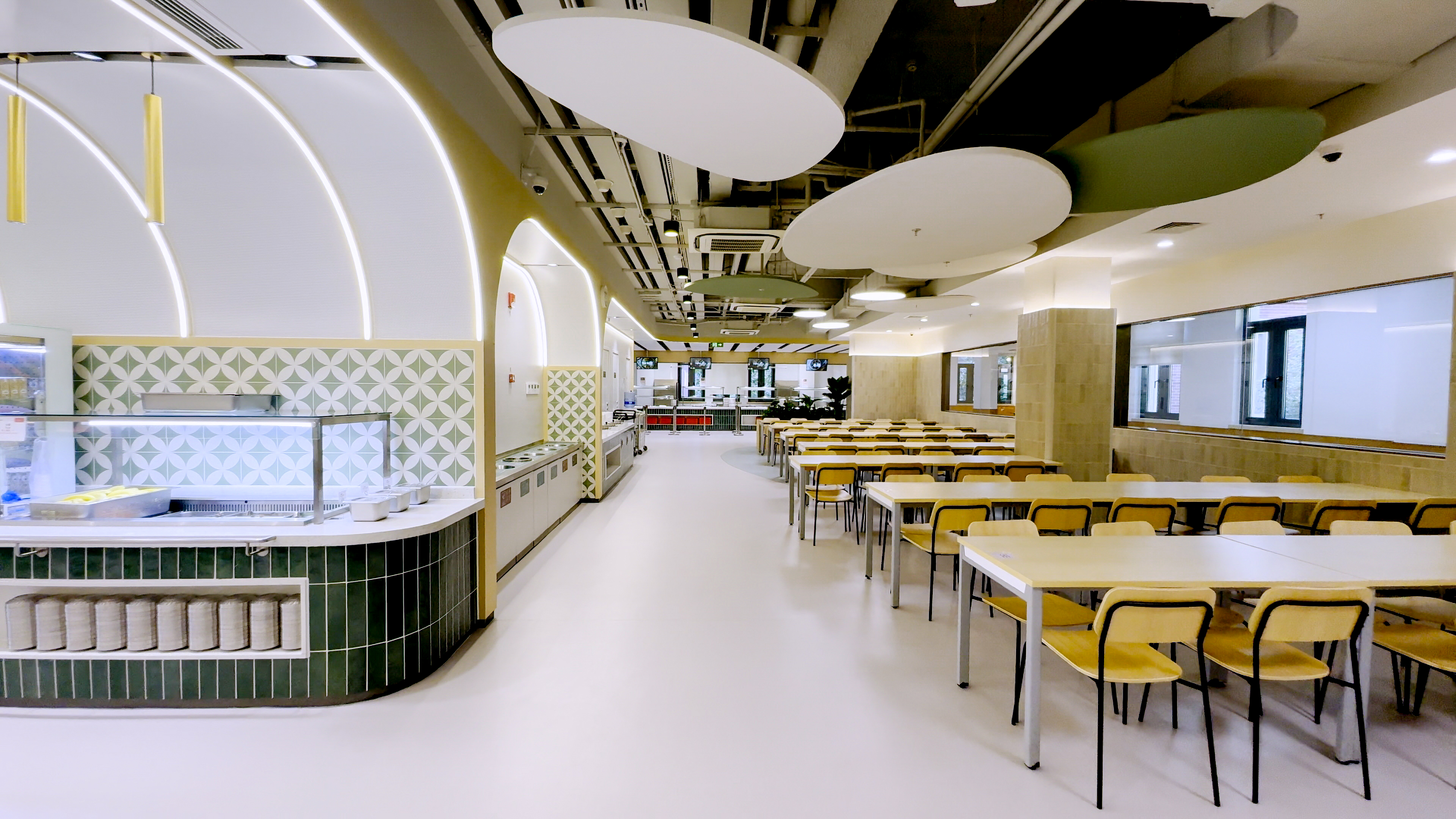
International school cafeterias are very different from standard commercial or large-scale catering environments. Beyond food delivery, schools must balance food safety, nutrition, student wellbeing, cultural diversity and parent expectations within one dining operation.
For many schools, cafeteria management is no longer viewed as a support service alone. Dining operations now play an important role in campus experience, student care and the daily rhythm of school life.
At the same time, schools are discovering that one-size-fits-all catering models do not always work in educational environments, particularly in international schools where expectations around service quality, communication and student wellbeing can be especially high.
School dining operations are closely connected to parent communication, student routines and campus reputation. A delayed meal service, repetitive menu cycle or food safety concern can quickly become a wider community issue rather than a standalone operational problem.
Food safety expectations are at the highest level — every meal, every time
In school environments, food safety is directly connected to student health, parent trust and school reputation.
International schools require structured hygiene and food safety systems covering ingredient sourcing, supplier management, allergen control, kitchen access management and cross-contamination prevention. Daily temperature monitoring, cleaning procedures and kitchen inspections must also be managed consistently across every meal service.
The challenge is not only creating food safety procedures on paper, but ensuring operational consistency every day. A single operational mistake can quickly affect both campus confidence and school reputation.
This is why schools often place strong emphasis on operational discipline, staff training and traceability throughout the catering process.
Nutrition and menu diversity are essential
School dining today is not only about feeding students, but also supporting healthier lifestyles and student wellbeing.
International schools typically serve students from different cultural backgrounds and age groups, which creates a wider range of dining expectations. Cafeteria operations may need to balance international cuisine preferences, nutrition requirements, allergy management and student food preferences within the same meal program.
Many schools also expect seasonal menus, rotating meal options and healthier ingredient selection as part of broader student wellbeing initiatives.
The challenge for operators is maintaining this level of menu diversity while still ensuring operational consistency, kitchen efficiency and food safety standards at scale.
In practice, this may mean preparing Western, Asian and vegetarian meal options simultaneously while also managing allergy-sensitive ingredients, age-specific nutrition requirements and changing student preferences throughout the school year.
Student experience and campus environment matter deeply
For schools, cafeteria operations also shape the overall campus environment.
Dining spaces are part of students’ daily routines and social interactions. Cleanliness, dining atmosphere, staff attentiveness and operational responsiveness all influence how students and parents experience the school environment.
Small operational details often matter more than expected. Service interactions, queue management, dining presentation and responsiveness to daily requests can all affect perceptions of campus quality and care.
Even details such as how staff interact with younger students, whether dining areas feel calm during peak lunch periods, or how quickly issues are resolved can shape the overall perception of campus operations.
This is one reason many schools look beyond traditional catering models and place greater focus on hospitality mindset, communication and student-centered service culture.
Operational management is more complex than many schools expect
International school food service requires both hospitality capability and structured operational management.
Meal schedules are tightly connected to class timetables, student movement and campus logistics. Operators may need to coordinate large meal volumes within short lunch periods while maintaining food quality, hygiene standards and smooth service flow.
Kitchen workflow, staffing coordination, supplier management and operational consistency all become important parts of daily operations.
Schools may also need to balance local compliance requirements with international operational expectations, particularly in campuses serving multinational communities.
The challenge is not simply preparing meals. It is managing a dining operation that supports the wider educational environment without disrupting the pace of campus life.
Sustainability and wellbeing are becoming part of school dining
Many schools today also expect cafeteria operations to support broader sustainability and wellbeing goals.
This may include healthier ingredient sourcing, waste reduction initiatives, environmentally responsible packaging and dining environments that support student comfort and hygiene.
For schools, these initiatives are often connected to both operational responsibility and educational values. Cafeteria operations are increasingly expected to reflect the school’s wider approach to wellbeing, sustainability and community culture.
How digitalization and energy management are changing school food services
School kitchens are energy-intensive, water-intensive and equipment-heavy environments. Ventilation systems, refrigeration equipment, cooking appliances and waste management systems all affect operating costs and operational reliability.
If these systems are not monitored properly, unnecessary energy waste can occur, while equipment breakdowns may directly interrupt daily meal schedules.
Digital tools are helping schools improve visibility across kitchen operations, maintenance requirements and energy performance. Through platforms such as Akila, cafeteria operations can also connect with wider campus operations, giving schools a more integrated view of facility performance and operational management.
For example, maintenance teams can identify abnormal equipment performance earlier, reducing the risk of refrigeration failures or ventilation issues affecting meal preparation during school hours.
The goal is not simply more data. The goal is better operational coordination and more reliable daily operations.
What schools should look for in a cafeteria partner?
When evaluating cafeteria providers, schools often look beyond basic food preparation capabilities alone. A resilient partnership requires a provider that can maintain stability under pressure and align with the school’s long-term strategic goals.
Important considerations should include:
- Strong food safety and traceability systems
- Experience supporting educational environments
- Ability to manage nutrition and menu diversity
- Operational consistency and staff training
- Responsive service culture
- Ability to support both daily operations and long-term campus experience
The most effective partnerships are usually built on operational reliability, communication and a clear understanding of educational environments.
Case Insight: Hiba Academy Shanghai
Aden Services supports Hiba Academy Shanghai in delivering integrated campus dining services focused on food safety, nutrition and student wellbeing.
The project serves more than 1,000 faculty members and students, delivering nearly 250,000 meals annually while maintaining strict hygiene and operational standards.
To support the school’s requirements, Aden implemented end-to-end catering management covering ingredient sourcing, kitchen operations, hygiene management, allergen control and menu planning. Weekly menus combine nutrition and culinary variety, while operational standards and staff training help maintain a high-quality campus dining experience.
The project reflects how international school dining today combines food safety, operational management and student experience within one integrated campus environment.
About Aden Services
Aden Services is the facilities and technical services division of Aden Group, founded in 1997. With almost 30 years of experience supporting complex buildings, industrial sites and mission-critical facilities, Aden Services has built deep operational capability across facilities management, technical maintenance, energy services and industrial environments.
Across educational environments, Aden Services supports international schools, universities and campus facilities through integrated food services, workplace operations and technical support solutions designed around safety, wellbeing and operational consistency.
Today, Aden’s campus dining network spans more than 40 cities globally, serving over 60 leading schools and delivering more than 30 million safe meals annually. Through structured food safety systems, operational expertise and student-focused service management, Aden helps schools create healthier, safer and more supportive campus dining environments for students, faculty and school communities.
Final Thoughts
International school cafeteria management is no longer simply about meal provision. Schools today expect dining operations to support student health, campus experience, operational safety and community wellbeing at the same time.
The most effective cafeteria partnerships are built on strong operational consistency, responsive service culture and a clear understanding of educational environments.