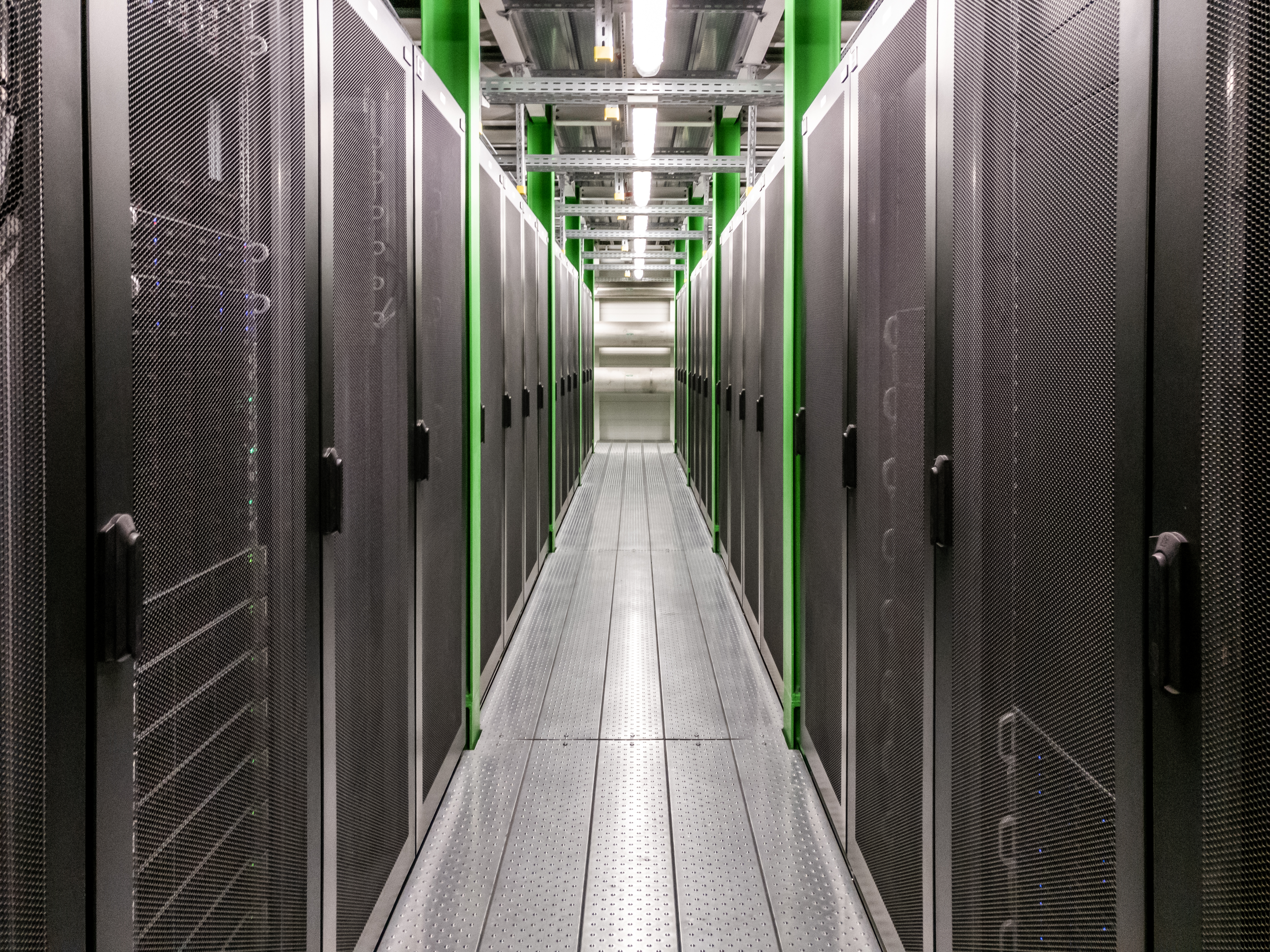
As demand for cloud computing, AI workloads, and digital services continues to grow, data centers are under increasing pressure to deliver continuous availability while managing increasingly complex infrastructure. For operators, uptime remains the primary operational objective, but maintaining uptime depends on much more than the design of the facility itself.
Power systems, cooling infrastructure, backup generation, and other critical assets must continue to perform reliably throughout their operational lifecycle. Even in facilities built with redundancy, the long-term performance of these systems depends on how they are maintained, monitored, and managed over time.
This is why maintenance plays such an important role in data center operations. Maintenance programs contribute directly to asset reliability, operational risk management, and business continuity. Their value extends beyond individual maintenance activities and influences how critical infrastructure performs throughout its lifecycle.
As data center facilities management becomes more complex, many operators are placing greater emphasis on Technical Asset Management (TAM). By combining maintenance planning, asset visibility, performance monitoring, operational governance, and lifecycle management, TAM provides a structured framework for reducing downtime risk and supporting long-term infrastructure reliability.
Reliability is built through ongoing asset management
Modern data centers are designed with resilience in mind. Redundant power architecture, backup generators, UPS systems, and cooling infrastructure all contribute to reducing the risk of service disruption.
However, resilience is not determined solely during the design and construction phase. The ongoing condition and performance of critical assets have a direct impact on operational reliability.
A backup generator that has not been properly tested may not perform as expected during a power event. Cooling equipment operating outside optimal conditions may affect thermal stability and energy efficiency. Electrical systems that are not regularly inspected can develop issues that remain unnoticed until they affect operations.
For this reason, data center operators often view asset reliability as an operational discipline. Equipment maintenance, testing, inspections, and performance monitoring all contribute to keeping critical infrastructure operating as intended and supporting uptime over the long term.
Technical asset management requires multiple maintenance strategies
Technical Asset Management brings together different maintenance approaches to support the reliability and performance of critical infrastructure throughout the asset lifecycle. Rather than relying on a single methodology, operators typically apply multiple maintenance strategies based on asset criticality, operating conditions, and risk profile.
Corrective maintenance addresses issues when faults are identified. Preventive maintenance uses planned inspections, testing, and servicing activities to maintain asset performance. Predictive maintenance incorporates operational data and condition monitoring to identify signs of degradation before they develop into larger issues.
These approaches are not mutually exclusive. In practice, most facilities use a combination of maintenance strategies depending on the criticality of the asset, operational requirements, and available data.
The challenge for operators is determining how to apply these approaches effectively across hundreds or even thousands of assets while maintaining visibility, consistency, and accountability.
Preventive maintenance creates operational consistency
Preventive maintenance remains a cornerstone of data center operations because it provides a structured framework for managing critical assets.
Routine inspections, functional testing, calibration, cleaning, and servicing activities help ensure that equipment continues to operate within expected performance parameters. These activities also create regular opportunities to identify wear, deterioration, or operational anomalies before they affect reliability.
Consider backup power systems. Generators may operate only periodically under normal conditions, yet they are expected to perform immediately during utility disruptions. Scheduled testing and maintenance help verify that supporting systems, fuel systems, batteries, and controls remain operational when needed.
Similarly, preventive maintenance programs for cooling systems help maintain stable operating conditions by supporting equipment performance, airflow management, and thermal consistency.
For operators, the value of preventive maintenance extends beyond individual maintenance tasks. It introduces predictability into the operating environment and supports more informed planning around critical infrastructure.
Predictive maintenance provides earlier visibility into asset condition
As data centers become more digitally connected, many operators are looking for ways to complement preventive maintenance with greater visibility into asset performance.
Predictive maintenance uses data collected from equipment and monitoring systems to identify patterns that may indicate changing asset conditions. This can include temperature trends, vibration analysis, electrical measurements, runtime data, and other operational indicators.
Predictive maintenance complements scheduled maintenance activities by providing additional information about asset condition and performance. These insights support maintenance planning, resource allocation, and operational decision-making.
For example, two similar assets may operate under different conditions and experience different rates of wear. Condition-based insights can help maintenance teams prioritize inspections, adjust maintenance schedules where appropriate, and focus resources on assets that require closer attention.
This approach can be particularly valuable in large facilities where operators need to manage extensive asset portfolios while maintaining high standards of reliability and efficiency.
Asset visibility supports better operational decisions
A core objective of Technical Asset Management is improving visibility into asset condition and performance. As maintenance programs mature, operators are placing greater emphasis on the quality and accessibility of maintenance information.
Maintenance records, inspection results, testing reports, and asset histories provide valuable insight into infrastructure performance over time. In many Technical Asset Management frameworks, Aden uses digital platforms Akila to support structured maintenance data capture and analysis, improving consistency and enabling more informed decision-making across engineering and operations teams. They support compliance activities, simplify audits, and help operational teams make more informed decisions about repairs, upgrades, and lifecycle planning.
Data also improves visibility across multiple stakeholders. Engineering teams, facility managers, operations leaders, and external service providers can work from a common understanding of asset condition and maintenance status.
For organizations operating mission-critical facilities, this visibility strengthens operational governance and supports more informed infrastructure management.
Technical asset management improves accountability
One of the less visible challenges in data center operations is coordination.
Maintenance programs often involve multiple stakeholders, including internal engineering teams, equipment manufacturers, specialist contractors, and facilities management providers. As facilities expand, maintaining consistency across these groups becomes increasingly important.
Questions around scheduling, documentation, escalation procedures, permit management, and operational responsibility can have a significant impact on how efficiently maintenance activities are executed.
This is why many operators are paying greater attention to maintenance governance. Effective governance helps ensure that maintenance activities are planned, documented, coordinated, and aligned with broader operational objectives.
Within a Technical Asset Management framework, governance helps connect maintenance activities, asset performance, operational responsibilities, and reporting requirements. This creates clearer accountability across stakeholders and provides operators with greater confidence in the management of critical infrastructure.
How technical asset management reduces downtime risk
Downtime risk is rarely linked to a single piece of equipment. More often, it emerges from a combination of factors including asset degradation, incomplete visibility, delayed interventions, fragmented responsibilities, and inconsistent maintenance practices. Managing these risks requires a structured approach to understanding asset condition, operational priorities, and long-term infrastructure performance.
This is where Technical Asset Management can provide significant value.
By combining preventive maintenance, predictive maintenance, asset performance monitoring, documentation management, lifecycle planning, and technical governance within a single framework, TAM helps operators make more informed decisions about infrastructure performance and risk management. Maintenance activities are connected to broader operational objectives, creating a clearer understanding of how individual assets contribute to uptime and reliability.
Aden supports data center operators through integrated Technical Asset Management programs designed for mission-critical environments, with the Akila digital platform enabling structured capture and analysis of operational data across maintenance activities. Aden helps manage the full lifecycle of critical assets, from routine inspections and maintenance planning to condition monitoring, performance analysis, and operational reporting, ensuring greater consistency and visibility across processes and data flows.
Through this integrated approach, operators gain clearer visibility into asset performance, stronger maintenance governance, and more structured decision-making around infrastructure management. These capabilities support the reliability and resilience required in modern data center environments while helping organizations maintain focus on their core business operations.
About Aden Services
Aden Services is the facilities and technical services division of Aden Group, founded in 1997. With nearly 30 years of experience supporting complex buildings, industrial sites, and mission-critical facilities, Aden Services provides integrated facilities management, technical maintenance, energy services, and operational support across Asia, Europe, and the Middle East.
For data center operators, Aden supports uptime and operational continuity through Technical Asset Management programs designed for mission-critical environments. Our capabilities include preventive and predictive maintenance, MEP maintenance, asset performance monitoring, energy optimization, lifecycle management, and 24/7 operational support, delivered through an integrated service model that improves visibility, accountability, and infrastructure reliability.
By combining technical expertise with a single point of accountability, Aden helps organizations reduce operational risk, improve infrastructure performance, and maintain the continuous operation of critical facilities.
Final thoughts
Reducing downtime risk in a data center requires ongoing attention to the condition, performance, and management of critical infrastructure. While facility design provides the foundation for resilience, long-term reliability depends on how assets are managed throughout their lifecycle.
Preventive maintenance, predictive maintenance, and broader Technical Asset Management practices each contribute to this objective by improving visibility, supporting informed decision-making, and helping operators maintain control over increasingly complex environments.
As data centers continue to grow in scale and importance, Technical Asset Management is becoming more closely linked to operational strategy. Organizations that combine technical expertise, structured governance, and data-driven asset management are often better positioned to support reliable, efficient, and resilient operations over the long term.