Factory facility maintenance covers the technical systems, routines, inspections, repairs, records and operational decisions that keep an industrial site safe, compliant and productive. In a manufacturing environment, maintenance is not limited to fixing equipment after a fault. It includes the planned management of the building, utilities, production-support systems and critical infrastructure that allow the factory to operate every day.
For plant managers, facility heads, EHS teams and operations leaders, the real question is practical: which assets need close attention, how should they be maintained, and how can the site reduce disruption without overengineering the maintenance model?
A strong factory maintenance program combines preventive maintenance, predictive maintenance and corrective maintenance in the right balance. It should protect production continuity, reduce avoidable failures, support compliance and give management a clear view of asset condition and maintenance performance.
What is factory facility maintenance?
Factory facility maintenance is the management of the technical systems and physical infrastructure that support production. These assets may not always be part of the production line itself, but they are essential to keeping the factory running.
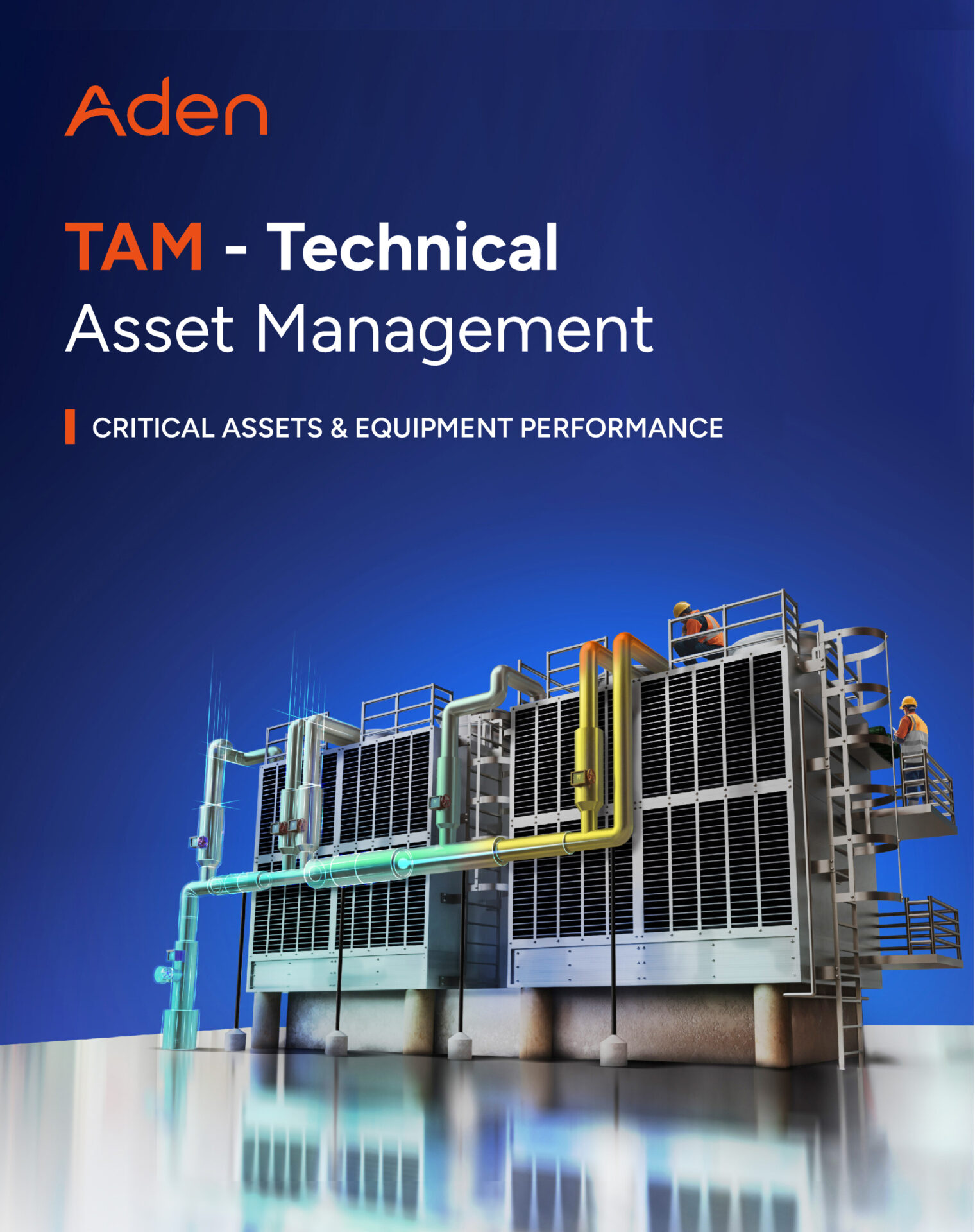
Factory facility maintenance is also known by several related names, including industrial maintenance, technical services and technical asset management. At Aden Services, technical asset management is the term used for teams that maintain, monitor and improve the performance of critical technical systems across client sites.
In an industrial facility, this can include electrical systems, HVAC, ventilation, compressed air, cooling water, fire safety, lighting, drainage, building fabric, access control, wastewater, emergency power and other technical assets. In more specialized environments, it may also include cleanroom systems, medical gases, high-purity water, cold storage, data center infrastructure or critical environmental controls.
The scope depends on the site. An automotive plant, electronics factory, pharmaceutical production center, semiconductor facility and food manufacturing site will all have different maintenance requirements. However, the underlying goal is the same: keep critical assets reliable, safe, efficient and properly documented.
The three main types of factory maintenance
Most factory maintenance activity falls into three broad categories: preventive, predictive and corrective maintenance. A well-managed facility uses all three, but the balance matters.
The goal is to rely as much as possible on preventive and predictive maintenance, so that corrective maintenance is reduced to the minimum. Corrective maintenance can never be eliminated completely, because faults and unexpected issues will still happen. But when too much maintenance is corrective, it usually means the site is reacting to problems after they have already affected performance.
The right balance helps factories reduce unplanned stoppages, avoid repeated failures, control cost and keep operations smoother.
1. Preventive maintenance
Preventive maintenance is planned work carried out on a schedule. It includes inspections, servicing, testing, cleaning, calibration, lubrication, filter replacement, part replacement and routine checks. The purpose is to reduce the chance of failure by maintaining assets before problems become serious.
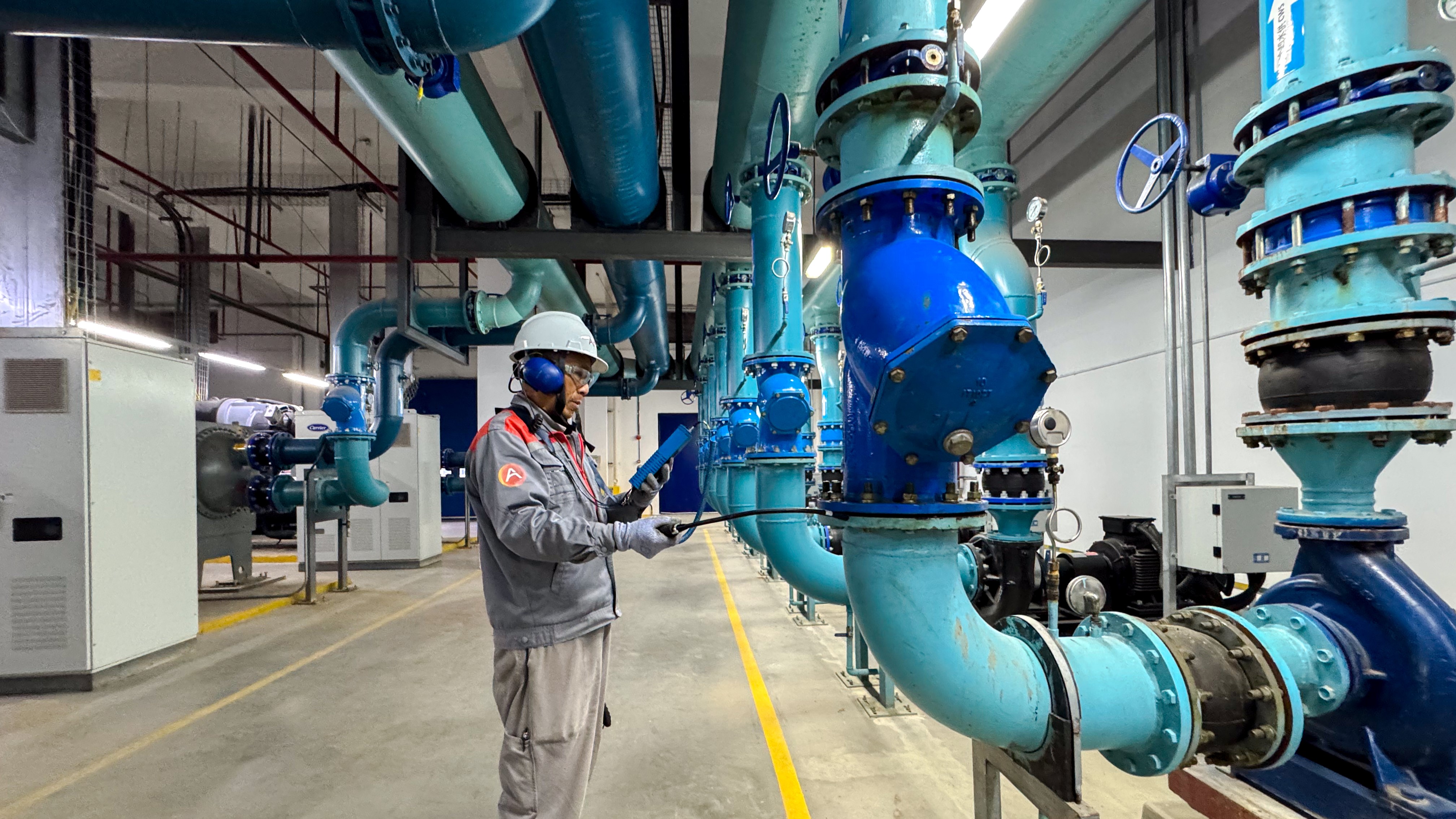
For example, a preventive maintenance schedule might include regular inspection of HVAC units, testing of fire safety systems, servicing of air compressors, checking electrical panels, cleaning filters, inspecting pumps and verifying emergency power systems.
Preventive maintenance is the foundation of a reliable factory. It gives structure, discipline and predictability to the maintenance program. However, it should be designed around asset criticality. A factory should not apply the same level of attention to every asset. Critical production-support systems need tighter schedules and stronger documentation than low-risk building components.
2. Predictive maintenance
Predictive maintenance uses data, asset history, monitoring systems and condition indicators to anticipate problems before failure occurs. It may involve sensors, IoT data, vibration analysis, thermal monitoring, pressure monitoring, energy data, temperature and humidity tracking, or analysis of historical work orders.
The value of predictive maintenance is responsiveness. Instead of relying only on a fixed calendar, the maintenance team can act when data suggests that an asset is moving toward abnormal performance.
For example, predictive monitoring on a compressed air system may help identify pressure loss, leakage, abnormal energy use or declining performance. Monitoring a cooling system may reveal patterns that indicate fouling, pump stress or inefficient operation. In cleanroom or pharmaceutical environments, environmental data can help protect production quality and compliance.
Predictive maintenance works best when it is connected to clear workflows. Data alone is not enough. The maintenance team needs a process for reviewing alerts, assigning tasks, verifying completion and updating the asset record.
3. Corrective maintenance
Corrective maintenance is repair work carried out after a fault, breakdown or performance issue. It includes emergency repairs, replacement of failed components, troubleshooting, restoration of service and follow-up checks.
Corrective maintenance will always exist. No facility can eliminate every fault. The aim is to reduce unnecessary corrective maintenance by using preventive and predictive approaches well. When a critical system fails unexpectedly, the result may be production slowdown, shutdown, safety exposure, quality issues, excess cost or urgent subcontractor dependency.
In a mature maintenance model, corrective maintenance is tracked carefully. The team should analyze why the fault occurred, whether it was preventable, how fast the response was, what parts were needed and whether the maintenance plan should change.
What systems are included in factory facility maintenance?
The exact scope of factory facility maintenance depends on the sector, site size, production process and regulatory environment. However, most industrial maintenance programs include several core technical systems.
Common factory facility maintenance areas include:
- Electrical systems: high-voltage and low-voltage distribution, panels, transformers, UPS systems, emergency generators, lighting and power supply.
- Mechanical and utility systems: HVAC, ventilation, exhaust, compressed air, pumps, boilers, cooling water, chilled water, hot water and refrigerant systems.
- Water and environmental systems: water supply, drainage, wastewater, sewage treatment, pure water systems, cooling towers and rainwater systems.
- Safety and building systems: fire-fighting systems, fire alarms, emergency lighting, access control, elevators, building fabric, roofs, doors, windows, external facilities and structural support areas.
- Specialized production-support systems: cleanroom HVAC, cold storage, medical gas systems, data center cooling, environmental controls, high-purity utilities and other sector-specific infrastructure.
This list is broad because factory maintenance is rarely one discipline. It sits across engineering, facilities management, EHS, compliance, production support and asset performance. That is why the strongest maintenance teams need both technical depth and operational coordination.
What should a factory maintenance plan include?
A good maintenance plan starts with a clear understanding of the site’s assets. Before deciding how often each system should be inspected or which technologies should be deployed, the facility team needs to know what equipment exists, where it is, what condition it is in and how important it is to operations.
The maintenance plan should include:
- Asset register and equipment mapping: a clear inventory of systems, equipment, location, technical details, service history and ownership.
- Criticality ranking: classification of assets based on production impact, safety risk, compliance requirements, energy impact and business continuity.
- Maintenance schedule: planned inspections, servicing, statutory checks, replacement cycles and routine tasks.
- Digital work order process: task assignment, technician reporting, photos, timestamps, approvals and completion records.
- KPI and SLA tracking: response time, completion rate, downtime, repeat failures, energy performance and maintenance backlog.
- Compliance documentation: inspection records, certificates, audit trails, EHS records and traceable handover documents.
- Emergency response process: escalation routes, spare parts planning, vendor coordination and after-hours support.
- Continuous improvement: root-cause analysis, recurring issue tracking, energy optimization and maintenance plan updates.
This is where maintenance becomes more than a checklist. The plan should reflect the operating reality of the factory. A high-risk asset may require frequent inspection, digital monitoring and detailed reporting. A lower-risk asset may only need standard scheduled maintenance. The right model is targeted, proportionate and transparent.
Why asset criticality matters
One of the most important decisions in factory maintenance is how to prioritize resources. Not every asset carries the same risk, and the same type of asset can have very different importance from one site to another.
A door is a simple example. In one facility, a door may be a minor building component. In another, it may be a critical access point for daily logistics, production flow, safety separation or shipment of finished goods. The maintenance requirement depends on how the factory actually operates.
The same principle applies to larger technical systems. A cleanroom HVAC system in a semiconductor or pharmaceutical facility is mission-critical because it protects temperature, humidity, air quality and production conditions. A compressed air system may directly affect tools, automation and product quality. A UPS or emergency generator may protect critical operations during a power issue. Fire systems, water treatment, medical gases or high-voltage systems may carry major safety and compliance implications.
This is why effective factory facility maintenance should begin with criticality. The team should understand the flow of work, people, materials and equipment across the site. It should consider production schedules, logistics routes, safety requirements, compliance obligations and the real consequences of asset failure.
The trick is not to apply the same maintenance model everywhere. The trick is to understand the specific mix of assets, risks and operating conditions at a particular site, then build a maintenance plan around that reality.
The role of digitalization and AI in factory maintenance
Digitalization is now central to modern factory maintenance. Many factories are still moving away from informal or fragmented systems: paper records, spreadsheets, email chains, social messaging apps or technician knowledge that sits outside any structured platform. These methods may work for simple coordination, but they become risky when a site needs traceability, audit readiness, performance analysis and long-term asset history.
A maintenance platform changes this by bringing work orders, asset records, inspection tasks, technician reports, photos, timestamps, approvals, spare parts data and performance dashboards into one operating environment. This gives facility managers a clearer view of what has been done, what remains open, which assets are creating repeated issues and where maintenance planning needs to improve.
This is also where AI is becoming increasingly important. Factory maintenance creates large volumes of information: work orders, inspection notes, manuals, equipment history, sensor data, energy data, compliance records and subcontractor reports. In traditional systems, this information can be difficult to search, compare or interpret. AI can help teams process these sources faster, identify patterns, summarize asset history and support better decision-making.
For factory leaders, the opportunity is significant. Sites do not need to remain trapped in slow, manual systems simply because the data is complex or scattered. A platform such as Akila can help structure and interpret maintenance information, connecting daily operations with asset performance, reporting and future optimization.
However, technology only creates value when it is connected to daily work. A dashboard that no one uses will not improve maintenance. A sensor alert that does not trigger a clear workflow will not prevent failure. The real value comes from linking data to action: planning, dispatch, completion, verification and improvement.
Compliance, safety and documentation
Factory facility maintenance also plays a major role in compliance. In regulated and high-risk sectors, maintenance records are part of the site’s operating credibility.
Automotive, electronics, pharmaceutical, medical device, food, healthcare and advanced manufacturing facilities often need strong documentation to support audits, client requirements, insurance, EHS obligations and regulatory inspections. Maintenance teams must be able to prove that inspections were completed, issues were addressed, equipment history was recorded and corrective actions were followed.
This builds directly on digitalization. A structured platform makes maintenance work easier to trace, verify and report. It reduces the risk of missing records, unclear handovers or fragmented documentation. That matters during audits, management changes, supplier changes, expansion projects and emergency investigations.
Without proper documentation, the site can lose technical memory. A digital, traceable maintenance model reduces that risk by preserving records and making asset history easier to access.
What to look for in a factory maintenance partner
A factory maintenance partner should bring more than technicians. The right partner should understand industrial operations, critical systems, compliance pressure, production risk and the need for clear reporting.
For manufacturing sites, useful capabilities include:
- experience across complex industrial facilities and technical systems;
- flexible team models, from embedded site teams to targeted technical support;
- preventive and predictive maintenance capability;
- digital reporting, asset tracking and transparent work-order management;
- strong EHS and compliance governance;
- regional coverage and access to specialist expertise;
- ability to manage subcontractors, vendors and improvement projects.
This is particularly important across Asian industrial markets, where manufacturing footprints can be spread across multiple cities, industrial parks and supplier ecosystems. A maintenance partner needs local execution capability, but also enough structure to standardize performance across sites.
About Aden Services
Aden Services is the facilities and technical services division of Aden Group, founded in 1997. With almost 30 years of experience supporting complex buildings, industrial sites and mission-critical facilities, Aden Services has built deep operational capability across facilities management, technical maintenance, energy services and industrial environments.
Aden Services supports clients across sectors including automotive, electronics, pharmaceutical manufacturing, healthcare, data centers, commercial buildings, industrial parks and advanced manufacturing. Its technical services teams combine on-site expertise, regional support, standards-based governance and digital tools powered by Akila, Aden Group’s building intelligence platform.
This approach allows Aden Services to support both daily maintenance operations and more advanced technical asset strategies, from preventive maintenance planning and digital work orders to critical system monitoring, compliance reporting and continuous improvement.
Final thoughts
Factory facility maintenance includes much more than repairs. It covers the planned, documented and technically competent management of the systems that keep an industrial site running.
The strongest maintenance programs are built around the right balance of preventive, predictive and corrective maintenance. Preventive maintenance provides structure. Predictive maintenance adds intelligence and responsiveness. Corrective maintenance restores performance when faults occur, but should be reduced through better planning, monitoring and asset management.
For factory leaders, the goal is clear: fewer surprises, better uptime, stronger compliance, lower risk and a more transparent view of technical asset performance. A good maintenance model protects the factory today while building a stronger operating base for the future.